



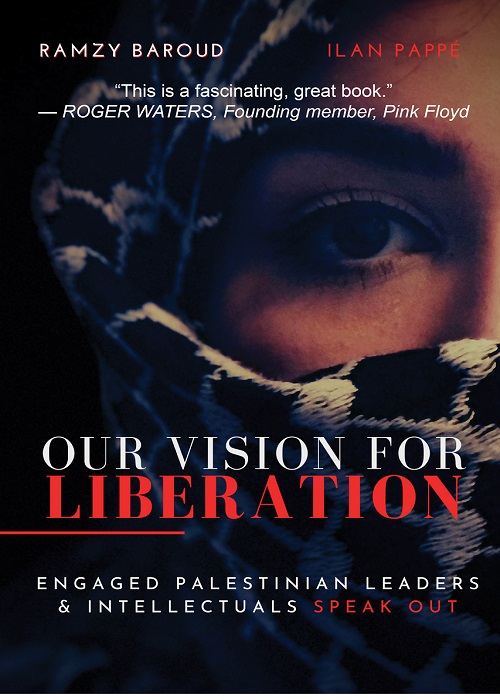

Description
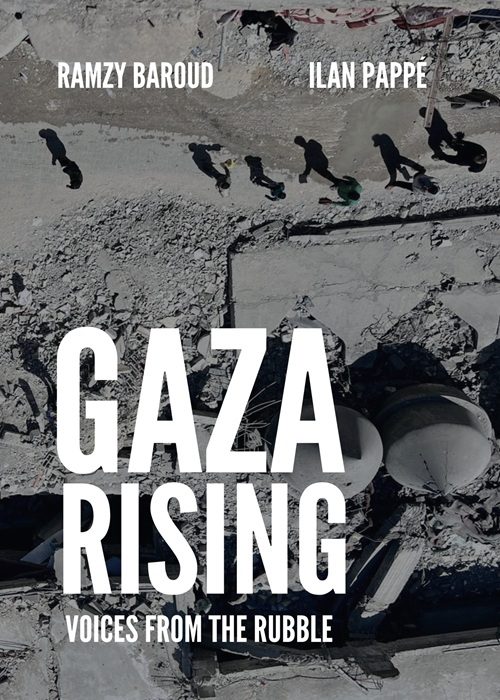
The Gaza Strip was created by Israel as the world’s biggest refugee camp in the world during the Nakba of 1948. Within a year, an area known for its prosperity and diversity became a densely populated Strip first ruled by Egypt and then occupied by Israel in 1967.
From 2006 the biggest refugee camp in the world became the biggest open prison in the world. Israel imposed siege on the Gaza Strip after its people democratically elected Hamas, a government Israel did not like. The Strip was punished and put under land siege and sea blockade.
Any attempt by the people of Gaza to resist was met by the full force of the Israeli army. Israel has launched major wars on Gaza since 2008, bombarding it from the air, land and sea. The deadly Israeli attacks reached all urban and rural spaces of the Gaza Strip. These were not acts of retaliation, but reflected a policy of incremental genocide meant to wipe out the Gaza Strip entirely as part of the ethnic cleansing policies of Israel, fulfilling the logic of a settler colonial state to replace the native inhabitants.
In these four assaults, the Israeli army demolished schools, burned homes, targeted electric grids and water purification plants, in addition to bombing universities, hospitals, mosques, and lately, churches.
The latest assault on Gaza, starting on October 7, 2023 has been the most catastrophic by far. It has quickly morphed to become a full-blown genocide.
Unlike previous wars, which incrementally made Gaza, per United Nations estimates, ‘unlivable’, the latest war aimed at erasing the Gazan population completely. As of December 30, the Wall Street Journal reported that 70 percent of residential areas of Gaza had been damaged or destroyed, rendering nearly the entire population of the Strip homeless. It seemed as if Israel had decided to annihilate Gaza without using weapons of mass destruction, though such an ‘option’ was floated by Heritage Minister Amihai Eliyahu.
As a consequence, every hospital in the Strip has either been bombed, shelled, raided, or shut down. Every sector of Palestinian society has been targeted, and in some cases completely wrecked. Aside from the healthcare system, this ruin has also reached the educational system, food distribution centers, commercial hubs, police stations, civil defense headquarters, religious institutions, government offices, and even art galleries, libraries, museums, zoos, and animal shelters.
Though Israel wants, in the words of Israeli official Moshe Feiglin, to “completely destroy Gaza”, the small but proud and ever-steadfast region is unlikely to break, because the strength of Gaza emanates from its people, not its infrastructure.
But can Gaza recover from this? Can it be rebuilt? And why was it destroyed in the first place?
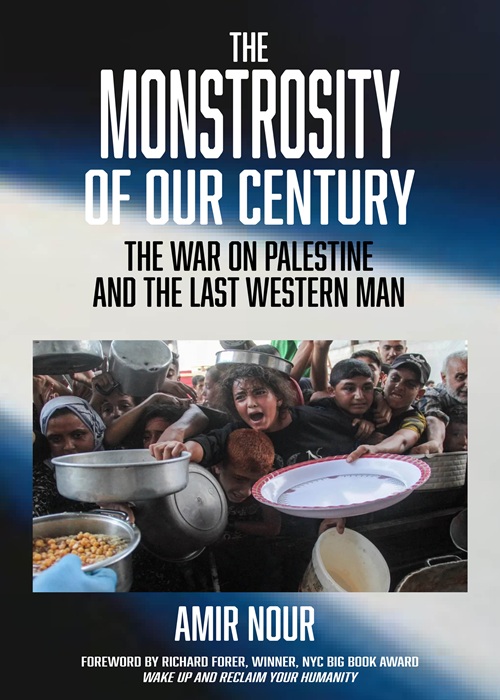
In this book, we explore the power of the Palestinian people of Gaza through the words of Gaza’s own intellectuals, journalists, doctors, teachers, civil defense workers, artists, political leaders, imams, priests, athletes, volunteers and the like, who speak about the war in the context of their own struggles within their respective fields, before and during the genocide.
Here, they provide their own vision of how to rebuild what has been destroyed, and how to convey a message to the world for the sake of building solidarity around Gaza for years to come.






Reviews
There are no reviews yet.
Only logged in customers who have purchased this product may leave a review.